


—
1. The correct calculation of water volume serves as a foundation for appropriate chemical measurements. Use either the **Exterior Dimension Method** or **Fill Time Method** for accuracy.
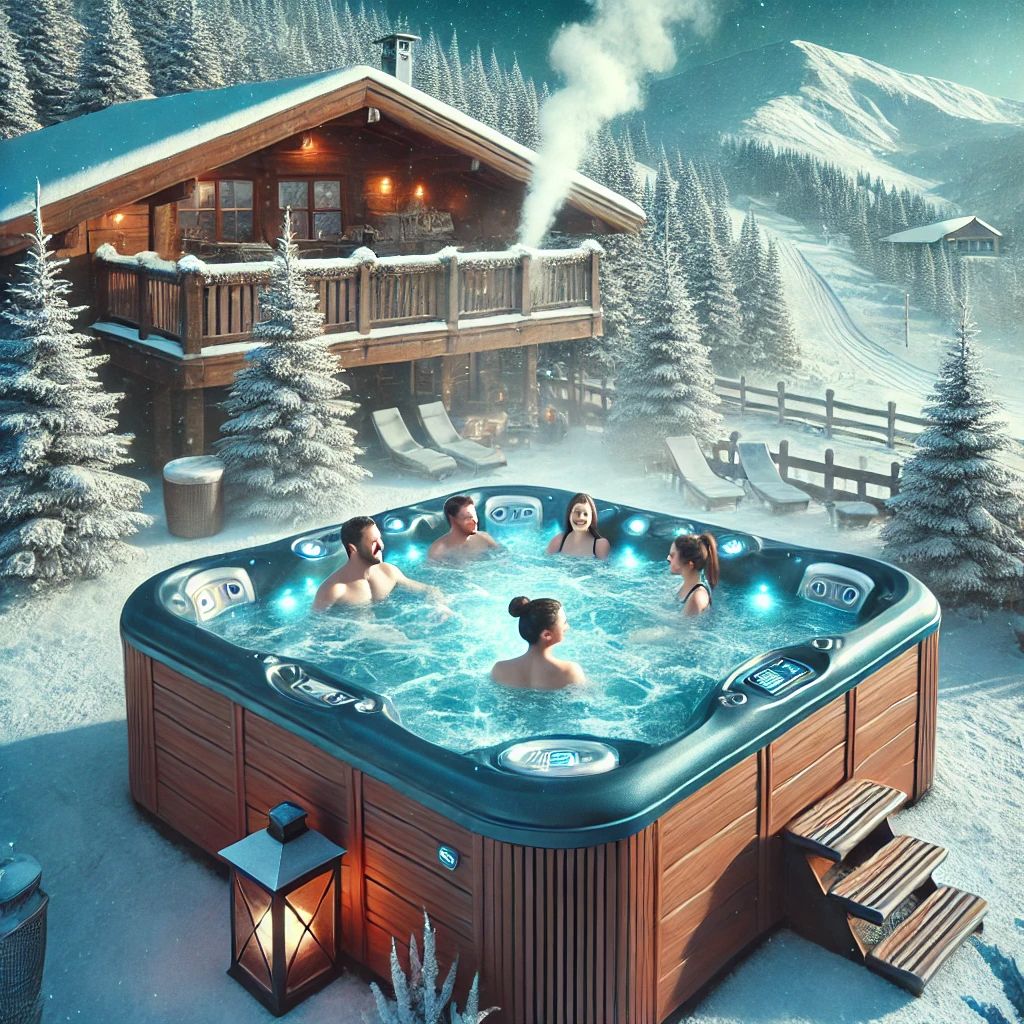
2. A comfortable water temperature between 98°F-102°F (36°C-38°C) provides both safety and pleasure in hot tub use. Hot water beyond certain temperatures results in overheating while cold water fails to activate sanitizer properly.
3. The hot tub sanitizer system contains free chlorine for active sanitizing and combined chlorine which forms through chlorine reactions with contaminants. Combined chlorine at high concentrations produces strong odors and causes skin irritation.
4. Hot tub owners need to shock their water periodically to remove impurities along with chloramines which regular sanitizer cannot detect. Regular water shocking prevents both water discoloration and bad odors.
5. Alkalinity functions as a water chemistry buffer which helps stabilize the pH levels. The target alkalinity level should be between 125-150 ppm since it helps stabilize water chemistry while preventing pH fluctuations and protecting equipment.
6. Pool chemicals remain too potent for hot tubs because their strong concentration causes skin irritation and equipment destruction in these smaller water systems.
7. The main factors behind cloudy water include dissolved solids (TDS) that are too high and pH imbalance and poor filtration methods. Regular maintenance practices together with proper testing methods serve as the foundation for preventing this condition.
8. Salt water chlorinators operate through a process which turns salt into chlorine or bromine to provide continuous sanitizing thus minimizing the requirement for regular chemical applications.
9. Swim spas unite exercise sessions with relaxation time and they take up less space than pools and function throughout all seasons.
10. Line Flush Products serve to clean the hot tub plumbing system by eliminating the accumulated substances which block filters and create bacterial habitats.
—
1. **What method should you use to find the exact volume of your hot tub water?**
2. What specific reason makes water temperature maintenance essential?
3. The main distinction between free chlorine and combined chlorine rests in their functions.
4. Explain the reasons behind hot tub shock procedures.
5. What specific role does alkalinity play in maintaining water chemistry?
6. The use of pool chemicals in hot tubs is not recommended due to their strong concentration that can cause skin irritation and damage equipment.
7. Three main reasons that create cloudy water include high TDS levels and improper pH balance together with inadequate filtration.
8. Salt water chlorinators operate through a process that turns salt into chlorine or bromine to maintain constant sanitizing while lowering the need for periodic chemical applications.
9. Three main advantages of swim spas include their ability to provide exercise and relaxation while occupying less space than traditional pools and being accessible during all seasons.
10. Line flush products perform what specific function?
—
– **Air Lock:** A problem that happens when filtration lines fill with air which reduces water pressure.
– **Alkalinity:** The waters ability to resist pH changes.
– **Biofilm:** A bacterial accumulation on plumbing surfaces that creates a protective barrier against sanitizers which often produces a slimy substance.
– **Breakpoint Chlorination:** Adding chlorine to break apart chloramines, restoring sanitizer effectiveness.
– **Calcium Hardness:** Measures calcium levels in the water.
– **Chloramines:** Compounds formed when chlorine reacts with organic matter, causing odors and reducing effectiveness.
– **Free Chlorine:** Chlorine available to sanitize.
– **Hose Filter:** A filter for water entering the hot tub, removing minerals and contaminants.
– **Line Flush:** A product for cleaning the plumbing lines.
– **Non-Chlorine Shock:** A powerful oxidizer used to break down contaminants.
– **pH:** Measures water acidity or alkalinity, on a scale from 0 to 14.
– **Priming:** Removing air from pumps to ensure proper function.
– **Sanitizer:** Chemical like chlorine or bromine to clean water.
– **Scale:** Mineral buildup on surfaces that can clog systems.
– **Shock:** A strong dose of oxidizer to eliminate contaminants.
Your quote is empty
Already have an account? Login or Create an account