Key Considerations Before Buying a Hot Tub or Swim Spa
The purchase of a hot tub or swim spa requires serious consideration of multiple factors which determine your final selection. The information below will help you select the most suitable hot tub for your house and personal needs.
Purpose: Start by identifying why you want a hot tub or swim spa. Do you seek relaxation or fitness benefits or therapeutic relaxation or space for social events? Your main purpose will determine your selection process for both features and size.
Features: You should determine your needed seating arrangement and number of jets and entertainment features and control panel functionality. Features which match your preferences will give you the maximum enjoyment from your hot tub.
Water Treatment: The safety and cleanliness of water requires proper maintenance. Know the specific water maintenance recommendations for your hot tub or swim spa model. Reputable suppliers will explain regular water care procedures so you maintain a safe and clean spa experience.
Power Supply: Examine the electrical specifications which your selected model requires. The electrical needs of hot tubs differ because some can use a standard outlet yet others require professional hardwiring by an electrician. Safety standards require professional evaluation of your installation.
A site survey conducted by a reputable hot tub supplier enables them to evaluate your property’s readiness for installation. A site survey conducted by a supplier will identify any problems regarding access and ground stability as well as drainage concerns.
Examine the warranty conditions as well as the support services that suppliers provide after sales. The warranty coverage duration along with fault reporting procedures and repair arrangements should be examined.
Manufacturer and Origin: Check the reputation of your hot tub manufacturer and verify the country where your tub was made. Research the country of origin beyond the company name because you should verify both quality and reliability standards.
Before the installation begins ask your supplier to provide written information about both delivery schedules and installation plans. Proper communication about installation aspects will result in an efficient and seamless setup procedure.
How to Choose a Reputable Hot Tub Supplier
The selection of a dependable hot tub supplier will dramatically enhance your shopping experience. These guidelines will help you confirm that your supplier maintains trustworthiness:
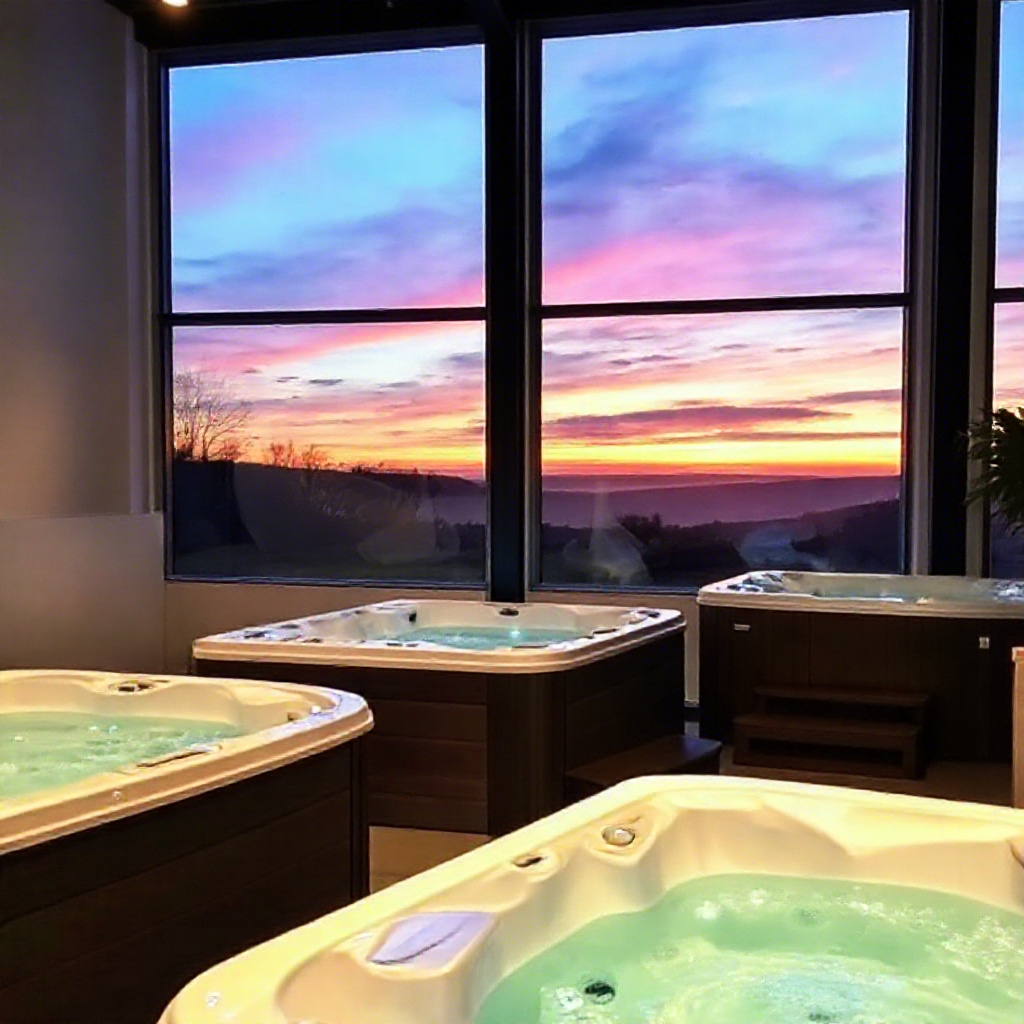
Seeing hot tubs in person during a showroom visit allows you to gain better understanding of product quality alongside operational features. You should try out hot tubs in person before purchasing by taking advantage of the soak test service that reputable suppliers typically provide.
Soak tests provided by reliable suppliers enable potential buyers to test hot tubs before making a purchase. You can personally experience comfort and functionality during this trial period.
Review websites should be searched for customer feedback and you should try to speak with past customers to gain more understanding. Check for multiple review sources since single-site reviews might present overly positive feedback.
All product information and warranty details and delivery terms and installation procedures must be received through written documentation. Written documentation serves to protect your rights in case you encounter any problems later on.
Types of Hot Tubs Available
Hot tubs exist in various forms that bring distinct advantages and features to users. The available hot tub types include:
Self-Contained (Hardshell/Portable): Their popularity stems from their ability to resist wear and provide extensive options for features. Acrylic construction allows these hot tubs to come in multiple sizes while offering different seating arrangements.
Timber (Wood-Fired): Traditional hot tubs use wood heat and display a rustic design. The traditional hot tubs require greater maintenance alongside needing new water supply for every usage.
Stainless Steel: Hot tubs made from stainless steel materials offer both durability and stylish design options with full customization capabilities.
Inflatable hot tubs are affordable and portable because they consist of vinyl materials that allow easy installation and storage when not in use.
Soft Tubs: The soft tubs combine inflatable features with foam core insulation to provide better structure and insulation for an improved hot tub experience.
The Liner consists of modular walls and vinyl liner material which creates a watertight and cost-effective solution that can be easily set up.
The in-ground spa represents a permanent installation which commonly exists as part of extensive pool installations. Hot tubs provide extensive customization options but need qualified installation services.
The Swim Spa/Fitness Spa/Exercise Pool combines hot tub capacity with aquatic exercise features and usually includes swimming counter-current technology.
Hot tub maintenance demands both proper care and regular upkeep to provide safe usage alongside excellent equipment preservation.
The following guidelines outline the fundamental requirements for hot tub maintenance:
Check and modify water chemistry with suggested chemicals during regular testing procedures. Your supplier should give you detailed information about maintaining safe and clean water.
The manufacturer recommends specific replacement and cleaning protocols for filters which leads to both effective filtration and extended hot tub longevity.
Always put on a correctly fitting insulated cover since it protects the water from heat loss and keeps debris away while reducing water evaporation.
Regular cleaning of the shell together with other surfaces must occur because dirt and bacterial accumulation needs to be prevented.
Electrical Installation Considerations
The correct electrical setup stands as a fundamental requirement for installing a hot tub. The following information will help you understand what you need to know.
Hot tubs fall into two categories regarding power connection since they either require a standard plug or direct electrical connection to your home system.
A qualified electrician should handle all wiring tasks for your hot tub because they will meet essential safety standards and regulations.
All local regulations together with electrical codes need verification to guarantee safe hot tub installation.
Understanding Hot Tub Warranties
A dependable warranty gives both financial security along with peace of mind. Look at these points for your warranty evaluation.
You should always get a written warranty to see which parts and services are covered along with their duration.
Check the warranty coverage along with its duration as well as specific exclusions to verify that the terms match your expectations.
The warranty contains specific instructions regarding issue reporting procedures and service scheduling.
Inquire about all additional costs which may include replacement parts or labour expenses beyond warranty coverage.
Planning permission for hot tub installation typically needs assessment through a specific process.
Hot tubs usually do not need planning permission but there exist particular situations where permission is mandatory. Keep these points in mind when deciding to install a hot tub.
Hot tub owners who reside within conservation areas must secure planning permission before they can install their equipment.
A hot tub installation which incorporates larger garden structures like gazebos decks or pergolas typically needs permission for the entire construction project.
Check with your local council regarding particular rules that apply to your region.
Frequently Asked Questions
The following set of questions will direct your hot tub selection process.
Hot tub owners need to replace their water every 3 to 4 months but intense use may require more frequent water changes. The weight capacity of your deck should be confirmed for hot tub installation because the structure needs to handle water and people.
The cost to operate your hot tub depends on its model and usage patterns together with your location’s electricity rates and will typically amount to between £20 and £50 monthly.
Hot tub users commonly find 37-40°C to be the most comfortable temperature for their use. The most comfortable hot tub temperature ranges between 37-40°C but people tend to set their own preferred levels. Your safety depends on regular temperature checks.
Related articles