How to Extend the Life of Your Pool Equipment
How to Extend the Life of Your Pool Equipment
Introduction
A major pool investment relies on the equipment in the background which includes pumps filters heaters and cleaning systems to maintain proper pool operation. The mechanical nature of these components leads to their deterioration through time. Regular care and smart habits will allow you to extend the lifespan of your pool equipment thus avoiding thousands of dollars in premature replacements.
At Deep Blue, we provide support for pool owners by delivering maintenance guides together with high-quality accessories as well as expert advice. This article demonstrates eight easy practices that help protect your pool investment.
Why Pool Equipment Fails
Most equipment issues are preventable. The main factors that lead to equipment failures consist of:
Unbalanced water chemistry (leading to corrosion or scale)
Lack of cleaning or maintenance
Blocked skimmers or filters
Running dry pumps or overheated motors
Winter freeze damage
Regular maintenance allows you to discover problems early which prevents costly equipment failures.
1. Maintain Balanced Water Chemistry
This is the number one rule. The chemical state of the water determines several consequences.
Low pH: Metal components such as pump seals and heater elements undergo corrosion.
High pH or calcium: Scale buildup in heaters and pipework
Low alkalinity: Unstable water that damages internal components
Use Deep Blue test kits for water analysis twice to three times per week and apply their specifically designed pH and alkalinity and calcium balancers for adjustments.
2. Clean Filters Regularly
The function of filters protects both heater and pump from receiving harmful debris and dirt. System performance decreases along with lifespan when filters become restricted because the system needs to work harder.
Cartridge Filters
Rinse weekly
Use Deep Blue Filter Cleaner to soak the filters monthly
Sand or DE Filters
Backwash when pressure increases
Use Deep Blue’s Sand Filter Cleaner every 3 months
3. Don’t Run Pumps Dry
The pump requires priming before starting operation. If water fails to flow during the first thirty seconds of pump operation turn it off to check the system.
Dry running causes overheating and burns out internal seals. Deep Blue delivers pump-friendly priming tools and guides which assist customers during this process.
4. Monitor Pressure and Flow
A pressure gauge installed on the filter system enables operators to detect different operational issues:
High pressure: Dirty filter or blockage
Low pressure: Air leaks or low water level
Backwash or clean the filter when pressure levels exceed normal by 8-10 psi. You need to resolve all cases of low pressure because they place additional strain on the pump system.
5. Lubricate O-Rings and Gaskets
Each month you should use silicone lubricant on seals and o-rings that protect pump lids filter housings and valves. The application of this substance stops both cracks and leaks from occurring.
6. Winterise Equipment Properly
You must properly winterize your pool equipment before closing the pool for the cold season.
Drain all equipment completely
Blow out plumbing lines
Store plugs and small parts indoors
Deep Blue’s winterising kits contain freeze protection measures.
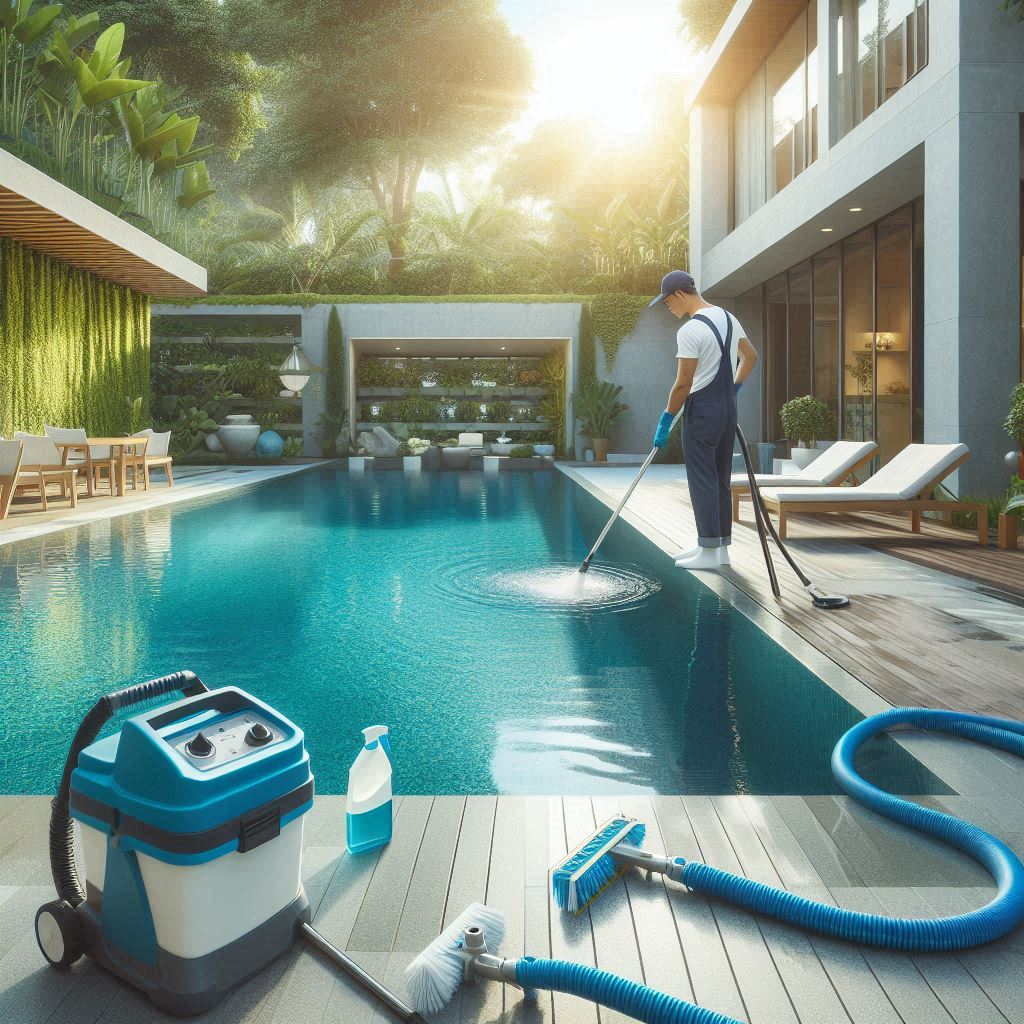
7. Use the Right Cleaning Accessories
Pool surfaces and fittings may get damaged when using improper vacuum heads or nets to sweep the surface. The Deep Blue accessories have passed testing to meet these requirements:
The product contacts vinyl and fibreglass surfaces gently without causing damage.
Rust-proof metal for long-term outdoor use
Secure pole fittings to reduce risk of accidents
8. Schedule Annual Equipment Checks
Regular care of your pool does not eliminate the need for professional inspections that should occur annually. They can:
Test electrical components
Inspect heater performance
Check motor bearings and seals
How Deep Blue Helps You Protect Your Investment
Every product we offer is designed with long-term care in mind:
Formulas that reduce component wear
Products with design features that avoid harm to equipment
The company provides step-by-step instructional videos about filter maintenance as well as shock treatment procedures and more.
Eco-Friendly, Equipment-Friendly Products
Our non-chlorine and oxygen-based sanitisers are:
Less harsh on rubber and metal components
Gentler on seals, sensors, and heaters
Biodegradable and packaged in recyclable materials
Loyalty Rewards for Smart Maintenance
The rewards program allows customers to accumulate points from all maintenance product purchases they make:
Redeem for discounts and gifts
Get early access to new tools and cleaning tech
You will get seasonal discounts for winterizing packages as well as filter bundles
Conclusion
Proper equipment maintenance allows pool equipment to survive for periods extending from 5 to 10 and up to 15 years. Your pool equipment will last longer with regular cleaning and smart habits along with chemical balance assistance from Deep Blue at every stage. Our dependable products and expert guidance help you maintain a beautifully running pool for multiple years ahead.
FAQs
How long should my pump last?
A well-cared pump made of high quality materials will survive between 8 and 12 years when properly maintained. Proper maintenance procedures form the basis for equipment longevity.
How often should I clean my cartridge filter?
To achieve peak performance rinse your cartridge filter weekly and soak it in filter cleaner once monthly.
Is scale in my heater a problem?
Yes. Scale reduces efficiency and increases energy bills. Use calcium hardness products and regular shock to prevent buildup.
Should I let my pump operate continuously throughout the night?
The operation of the pump during overnight hours is recommended for both shock treatments and occasions with high pool user numbers.
Do you offer service reminders?
Yes! Our newsletter subscribers receive both seasonal maintenance checklists and tips as part of our service.
Related articles