Preventing and Treating Pool Algae: Expert Tips
Preventive and therapeutic measures for pool algae control.
Introduction
Pool owners encounter algae as their most irritating concern. The water turns green when algae appears and this discoloration creates slippery pool surfaces which can damage equipment if proper maintenance is not performed. The right prevention and treatment plan allows you to control algae effectively. The experts at Deep Blue developed multiple high-performance algaecides and shock treatments which help swimming pools stay crystal clear and free of algae throughout the entire year.
The document explores algae origins followed by preventive measures and fast treatment solutions that utilize Deep Blue products and professional recommendations.
What Is Pool Algae?
The tiny plant species known as algae prosper in warm water that remains stagnant and contains many nutrients. Your pool becomes susceptible to unsafe swimming conditions when algae establishes itself because it starts to reproduce quickly and discolors the water.
Common Types of Algae
The most widespread algae species which floats both in water and on pool surfaces presents itself as green.
Black Algae: Hard to remove; forms roots and grows in cracks and corners.
Mustard Algae: Appears yellow or brown and sticks to walls and equipment.
Causes of Algae Growth
Low chlorine levels
Poor water circulation
Dirty filters or debris buildup
Warm weather and direct sunlight
How to Prevent Algae
1. Maintain Proper Sanitiser Levels
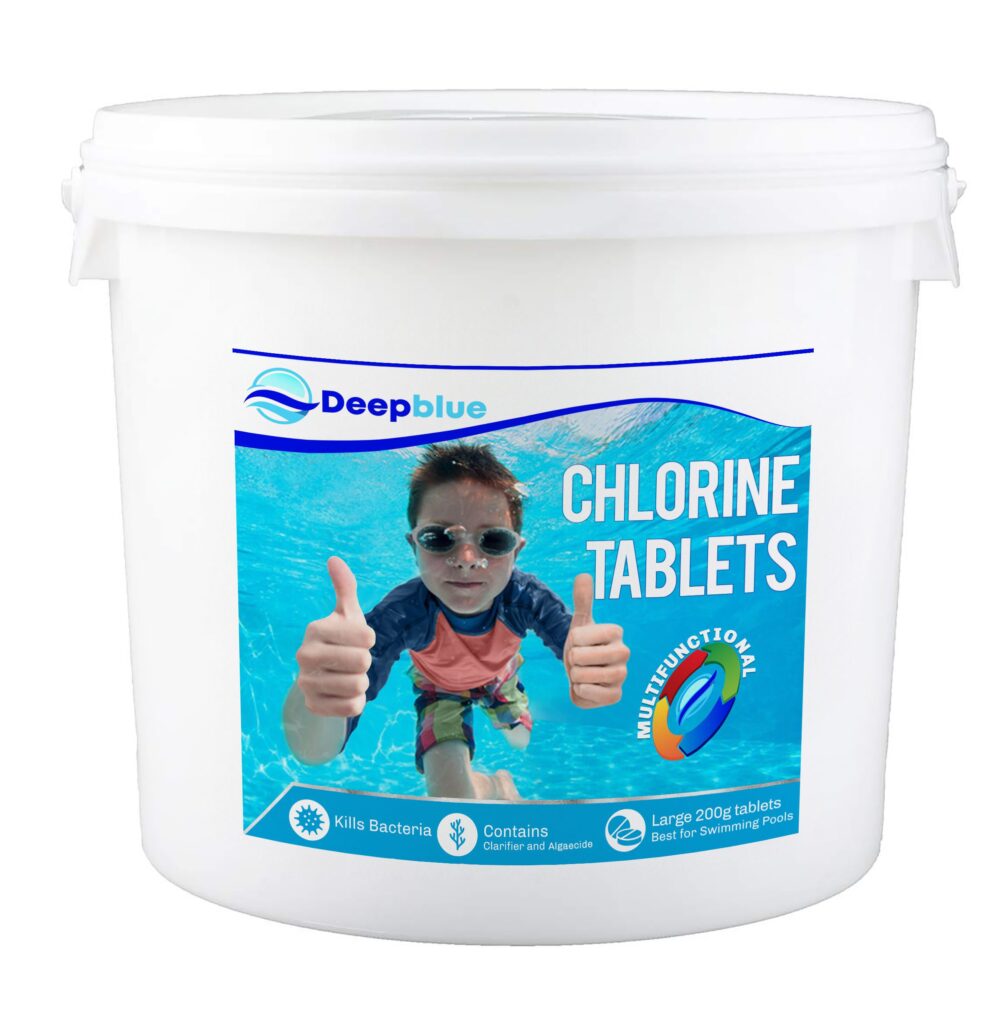
A combination of chlorine, bromine or oxygen-based sanitisers serves to eliminate algae spores at the early stage of their development. The recommended levels of chlorine tablets and bromine granules from Deep Blue need to be maintained through their usage.
Chlorine: 1–3 ppm
Bromine: 3–5 ppm
2. Brush and Vacuum Regularly
Our strong Deep Blue brushes and nets enable the removal of spores prior to their distribution. The entire pool including walls and stairs and ladders should be brushed every week.
3. Clean Your Filter
Filters trap algae and debris. Regular filter maintenance includes a weekly rinse or backwash and a monthly deep clean which requires Deep Blue Filter Cleaner.
4. Use Algaecide Preventatively
Weekly application of Deep Blue Algaecide serves to eliminate spores before they start growing. Our products are BISHTA-compliant and safe for all surfaces.
Treating an Algae Outbreak
Step 1: Test and Balance the Water
Adjust the pH level between 7.2–7.6 while maintaining alkalinity between 80–120 ppm. The Deep Blue test strips provide quick results during water inspections.
Step 2: Shock the Pool
Use Deep Blue Shock Granules (chlorine or non-chlorine) at double the regular dose. Add in the evening to prevent UV degradation.
Step 3: Brush and Vacuum
Scrub walls and vacuum thoroughly the next morning to remove dead algae. Clean your filter afterward.
Step 4: Add Algaecide
After applying the shock treatment, add Deep Blue Algaecide to kill any remaining spores which will stop them from multiplying.
Step 5: Maintain Proper Levels
The following 3–5 days require daily testing for maintaining correct sanitiser levels.
Eco-Friendly Algae Control
Our algaecides feature eco-conscious formulas which use recyclable packaging while delivering their products through low-emission systems. The company provides non-chlorine shock treatments which serve two purposes: they are suitable for sensitive users and they meet the requirements of environmentally aware pool owners.
Expert Resources and Help
We provide top-tier customer support through the following resources:
The company provides instructional videos which demonstrate complete algae prevention and removal procedures.
Free downloadable guides and troubleshooting checklists
A team of experts from the Contact Us page provides personal assistance to customers.
Join Our Loyalty Programme
Deep Blue customers get more than just chemicals. Our free loyalty scheme rewards customers with points for each purchase and provides seasonal discounts and early product launch access.
Conclusion
When following the correct procedure algae growth can be prevented from occurring. The combination of Deep Blue’s scientifically tested algaecides along with shock treatments and expert guidance gives customers all necessary tools for maintaining an algae-free pool that is safe and clean. The best strategy is prevention because it remains less complex than treatment so make use of Deep Blue products to stay ahead of algae development.
FAQs
Can I use algaecide with chlorine?
Yes. The algaecide product from Deep Blue works safely with both chlorine and bromine sanitisers.
How many hours must pass after algae treatment before swimming is possible?
Check the water clarity while the chlorine concentration drops to 3 ppm or less.
The non-chlorine shock treatment proves successful in controlling algae growth both for light-scale outbreaks and for users who cannot tolerate chlorine.
Black algae along with other forms of algae have the potential to harm pool liners.
The most damaging form of algae exists as black algae because it develops roots which penetrate surfaces and create stains.
How can I stop algae from growing during my time away from home?
A shock treatment combined with algaecide should be applied before departure and you should install either a chlorine floater or automatic feeder to maintain sanitization.
Related articles