



Hot tub sanitizing requires chlorine as a fundamental component because it proves highly effective for water cleanliness and safety. The guide presents essential information about hot tub chlorine management which includes an overview of chlorine types and testing procedures and odor prevention and safe chlorine storage.
Hot tub environment sanitation requires chlorine as a potent sanitizer that destroys harmful bacteria and viruses.
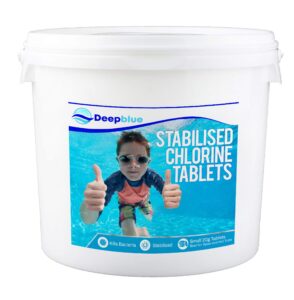
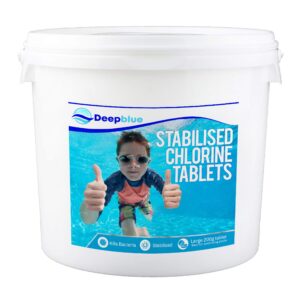
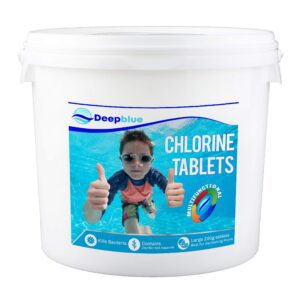
Hot tub users have different chlorine products to choose from including granular and tablets.
The fast-dissolving nature of granular chlorine makes it suitable for immediate water sanitizing and for shocking the water. The slow-dissolving tablets work through floating dispensers or skimmer baskets to provide constant chlorine maintenance.
Hot tub water requires a chlorine concentration between 3 and 5 ppm (parts per million). The water remains safe and comfortable when chlorine levels stay between 3-5 ppm.
Hot tub water needs regular testing to achieve balanced conditions.
Hot tub owners should use test kits which include hot tub-specific test strips to check chlorine levels.
Testing for chlorine levels should be done at least weekly or following times of intense use to verify chlorine concentration meets recommendations.
The proper method to use granular chlorine involves mixing it with warm water before application to stop cloud formation.
Use floating dispensers or skimmer baskets to deploy the correct number of chlorine tablets according to the manufacturer’s recommended guidelines.
A high chlorine dose serves to destroy contaminants and chloramines during shocking procedures.
The recommended shock procedure should occur every 1-2 weeks or immediately after intensive use.
The recommended shock product includes granular chlorine together with non-chlorine shock options according to manufacturer instructions regarding usage amounts and waiting periods.
Early detection of low chlorine levels enables prevention of more serious problems.
The presence of cloudiness or unpleasant odors in the water indicates that chlorine levels are too low.
The formation of green or brown water demonstrates insufficient sanitizer levels which requires water shocking.
The reaction between chlorine and organic substances produces chloramines that lead to a strong odour. To prevent this:
Hot tubs require shock treatments to break down chloramines which occur when chlorine interacts with organic materials.
Hot tub surfaces together with filters need regular cleaning to stop organic substances from building up.
The appropriate storage of chlorine products guarantees both effectiveness and safety standards.
The storage area for chlorine products should be located in a dry space that remains cool and avoid direct sunlight exposure.
Keep chlorine storage areas inaccessible to children and pets.
Hot tub safety and cleanliness depends on proper chlorine management for users to enjoy their hot tub experience. Hot tub maintenance requires regular testing alongside proper dosing and good practices to maintain peak condition. Reach out to The Pool Cleaners’ support team for expert advice on supplies or additional guidance
.
Your quote is empty
Already have an account? Login or Create an account