


Safe swimming requires proper management of pool water chemistry. The following section explains the primary pool chemicals together with their operational principles and optimal methods for water balance maintenance.
—
Water requires chlorine to stay bacterium-free and algae-free.
– **Types of Chlorine:**
Liquid Chlorine works swiftly yet its usable duration is limited.
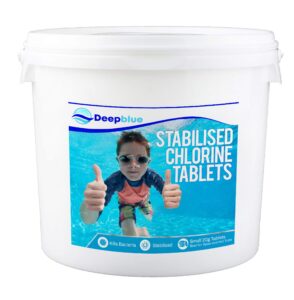
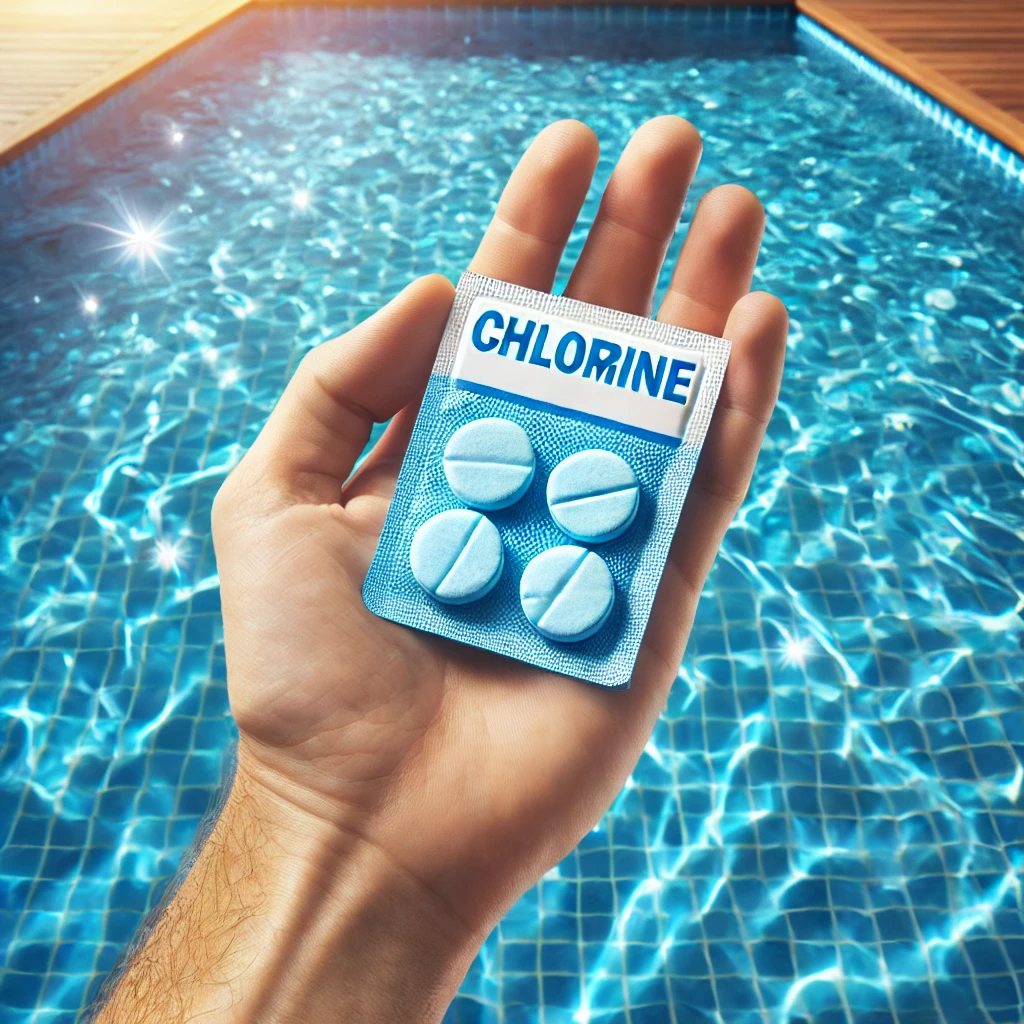
Chlorine tablets provide a gradual release that supports constant chlorine concentration.
– **Chlorine Granules:** Convenient for pool shocking.
Chlorine Granules serve the pool maintenance function of shocking.
– **Recommended Levels:** Maintain **1-3 ppm** for effective sanitation.
—
pH levels affect swimmer comfort and chemical effectiveness.
– **Ideal pH Range:** **7.2 to 7.6**
– **pH Levels need adjustment through:**
A pH Increaser contains sodium carbonate (soda ash) which increases pH levels.
To reduce pH you should use muriatic acid or sodium bisulfate.
– **Dosage Guide:**
For pH elevation with 100g sodium carbonate you will need 10,000 liters of solution to achieve a 0.1 pH increase.
The recommended dosage for lowering pH involves using 250ml of muriatic acid per 10,000 liters to decrease it by 0.1.
—
Total alkalinity stabilizes pH and prevents fluctuations.
– **Ideal Range:** **80-120 ppm**
The alkalinity adjustment requires sodium bicarbonate (baking soda) as a solution.
The recommended amount for baking soda is **250g per 10,000 liters** to achieve a 10 ppm increase in alkalinity.
—
The pool surfaces require calcium levels for protection against corrosion and scaling.
The recommended calcium hardness range extends from 200 to 400 ppm.
Add calcium chloride to the pool water to increase hardness levels when they become too low.
One kilogram of calcium chloride added to 10,000 liters of water will boost hardness levels by 50 ppm.
—
Algaecides serve a vital purpose by controlling algae development during warm months.
– **Types:**
Polyquaternium-based:** Effective and safe for most pool types.
Copper-based treatments are effective yet they can cause staining when used excessively.
– **Dosage:** Follow product guidelines, typically **1 liter per 10,000 liters**.
—
The products function to keep water transparent by eliminating tiny suspended particles.
Use clarifiers each week but add flocculants only when the water remains extremely hazy.
The recommended dosage for clarifiers is **100ml per 10,000 liters**.
—
Proper testing of pool water remains essential to achieve the necessary chemical equilibrium. The test kit investment will help you monitor:
– **Chlorine:** 1-3 ppm
– **pH:** 7.2-7.6
– **Alkalinity:** 80-120 ppm
The recommended calcium hardness range should be between 200-400 ppm.
—
The correct application of pool chemicals enables you to preserve a pool environment which is both clean and secure and enjoyable for users. Your water will stay balanced while protecting pool users and equipment when you conduct regular tests and make necessary adjustments. Our products and support team are available for any supply needs and guidance.
Your quote is empty
Already have an account? Login or Create an account