



Maintaining proper water cleanliness in your hot tub provides a secure method for enjoying relaxing soaks. Routine maintenance helps prevent several common hot tub problems which include cloudy water and skin discomfort and damage to tub components. The following guide provides a complete system for maintaining spotless water quality throughout the year.
Three fundamental components need monitoring to maintain hot tub water safety while providing comfort:
– **pH Levels**: The recommended pH range for safe hot tub water should be between 7.2 and 7.6. The water turns cloudy while components corrode when pH levels are too low but scaling forms when pH becomes too high.
– **Alkalinity**: The substance functions as a pH stabilizer which maintains stable pH readings. The target alkalinity reading should remain between 80 and 120 ppm.
– **Sanitizer Levels**: Essential for killing bacteria. The recommended chlorine concentration for hot tub water should be between 3-5 ppm and bromine should be maintained at 3-6 ppm.
Test your water 2-3 times a week, especially with frequent use.
– **Test Strips**: Place a strip into the water for color matching against the reference guide.
Liquid Test Kits require adding water to test tubes followed by the application of reagents to obtain accurate measurements.
– **Raising Levels**: Mix sodium bicarbonate into hot tub water as a solution of 1 tablespoon per 100 gallons and perform retests after thirty minutes.
The manufacturer provides instructions to lower levels using pH decreaser with sodium bisulfate at 1 ounce per 500 gallons. Changes to pH values will affect the alkalininity measurements so perform additional tests until you achieve balanced results.
The water sanitization process depends on either bromine or chlorine to eliminate bacterial contaminants.
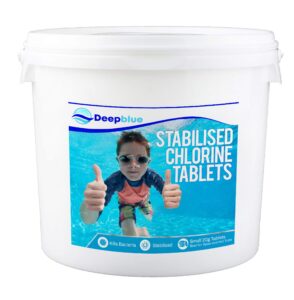
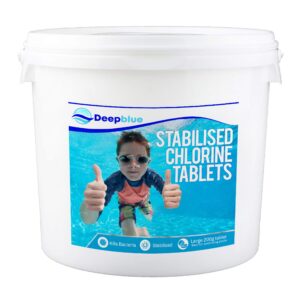
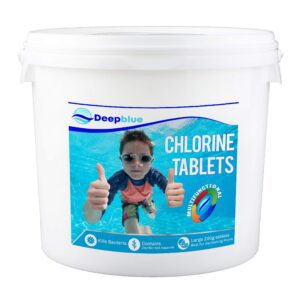
The sanitizer choice for hot tubs requires chlorine to work fast at 3-5 ppm concentration. Users need to add chlorine after each use and should repeat this process every 2-3 days.
Bromine works as a gentle sanitizer which maintains stability at hot temperatures while operating between 3-6 ppm. The water requires additional bromine additions every few days according to need.
The process of shocking the water should be done weekly as well as after heavy usage to eliminate all contaminants.
– **Frequency**: Shock once a week.
– **How to Shock**: Follow the instructions based on hot tub size, typically 1-2 tablespoons per 500 gallons. The jets should operate during distribution until the water levels stabilize back to normal before resuming use.
Regular maintenance of filters enables better water clarity because filters function to eliminate dirt and oils.
– **Rinse Every 1-2 Weeks**: Remove the filter from your hot tub then rinse it under a garden hose stream.
The filters require overnight soaking in cleaning solution every 3-4 months for deep cleaning.
– **Deep Clean Every 3-4 Months**: Soak filters in a cleaning solution overnight.
Draining and refilling your hot tub every 3-4 months maintains the water freshness.
– **Draining**: Turn off power, empty the tub, scrub the interior with a non-abrasive cleaner, and rinse.
After filling the tub you need to balance the water chemistry according to the specifications.
– **Refilling**: Attach a garden hose to fill, then balance the water chemistry once filled.
– **Preventing Foam**: The prevention of foam formation begins with showering before entry to minimize skin oil and lotions. You should apply anti-foam solutions when necessary.
You should inspect water chemistry levels while maintaining filter cleanliness and perform water shocking procedures if the water remains hazy.
The application of enzyme-based solutions breaks down contaminants and oils which minimizes the requirement for regular shocking procedures.
– **Usage**: Use enzyme treatments according to the product guidelines by adding 1-2 ounces each week.
The cover protects your hot tub from external contaminants while maintaining heat conservation.
– **Clean Regularly**: The equipment requires mild soap together with water followed by thorough rinsing.
A waterlogged or damaged cover compromises heat retention and lets debris enter the tub.
Your hot tub water will stay safe and clean through consistent testing along with pH adjustment and sanitation practices and regular cleaning methods. Regular maintenance of your hot tub both lengthens its operational life and provides relaxation without concerns.
You can find more supplies or seek guidance from The Pool Cleaners’ support team.
Your quote is empty
Already have an account? Login or Create an account