Chlorine Basics: Essential Information for Your Pool and Hot Tub
As a pool or hot tub owner you probably understand the importance of chlorine as a basic water maintenance component. How much actual information do you have about chlorine’s operation mechanisms together with its necessity and best usage practices for safe implementation? The application of chlorine goes beyond water purification because it serves two important functions: protecting pool users’ health and extending the equipment lifespan of your pool or hot tub. This guide provides a comprehensive overview of chlorine that includes its advantages alongside practical application methods and essential safety protocols along with answers to frequently asked questions.
—
Chlorine Functions as the Key Element for Both Pool and Hot Tub Sanitation Systems
The disinfecting properties of chlorine make it a preferred sanitizer for pool and hot tub maintenance since it effectively destroys harmful microorganisms including bacteria, algae and other pathogens. Pathogens that could trigger serious health dangers would multiply excessively in pools and hot tubs without chlorine treatment. Chlorine acts as a bacteria destroyer and simultaneously produces clear water while preventing the formation of unpleasant odors which untreated water tends to develop. Your swimming pool and hot tub maintain both cleanliness and offer a superior experience for everyone who uses them.
The disinfectant properties of chlorine in water cause it to react with contaminants while eliminating them from existence. The sanitizer compound hypochlorous acid forms during the chlorine breakdown process. The compound penetrates bacterial and viral cell walls to break down these pathogens until they become harmless. The appropriate chlorine concentration in your pool or hot tub serves two essential purposes: it protects human health and maintains attractive water conditions.
—
Chlorine Products for Pools and Hot Tubs Exist in Various Forms
All chlorine products differ from one another in their characteristics. The type of chlorine you select will significantly affect how well your pool or hot tub maintenance routine works based on your specific requirements. The following discussion provides an overview of the most frequently used chlorine products for the market.
1. **Liquid Chlorine**
Liquid chlorine stands out as a preferred choice for big pool maintenance since it works easily. This product quickly increases chlorine concentration which makes it suitable for urgent sanitizing needs.
It has limited shelf stability because its effectiveness diminishes as time passes. Users need to store this product in shaded areas with low temperatures because direct sunlight affects its stability.
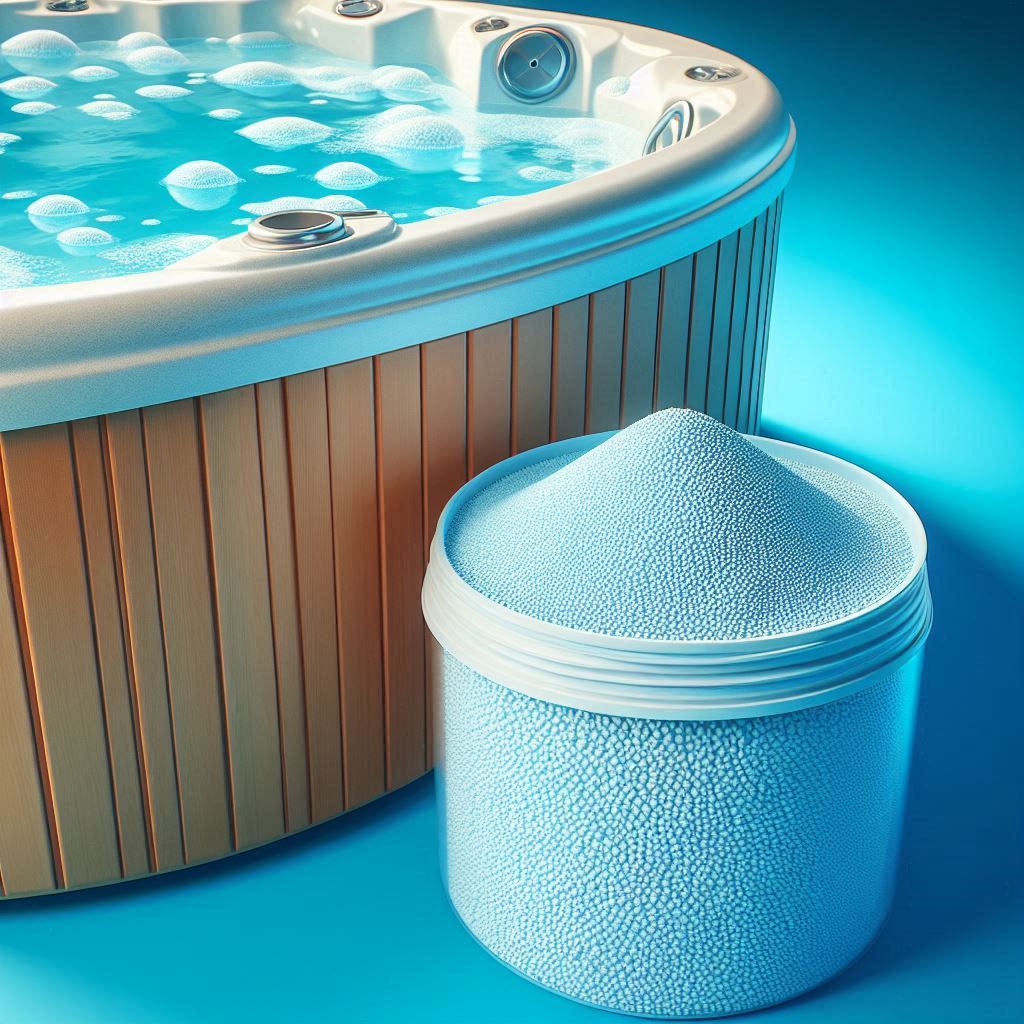
2. **Granular Chlorine**
Granular chlorine presents two advantages for users since it simplifies application and measurement operations suitable for small pool and hot tub maintenance. Granular chlorine functions best for addressing localized algae problems and specific treatment areas.
The main drawback of granular chlorine is its requirement for more frequent application than other types and its potential to create residue if users fail to dissolve it correctly.
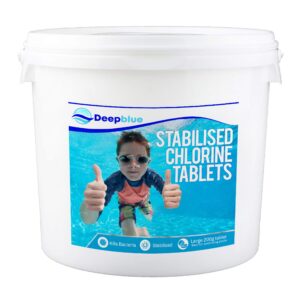
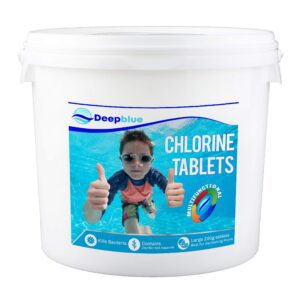
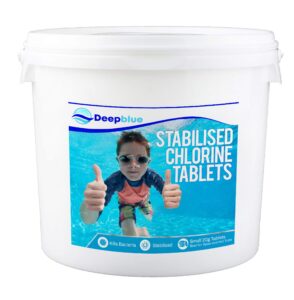
3. **Chlorine Tablets**
The long-lasting nature of chlorine tablets allows them to dissolve gradually which makes them suitable for ongoing sanitation needs. Users find tablets easy to implement through floating dispensers or automatic chlorinators.
The main drawback of chlorine tablets is their slow dissolution rate which delays their effectiveness in situations where you need fast chlorine level increases.
Different chlorine product forms present unique advantages and disadvantages that determine which one works best for your pool or hot tub requirements together with your personal needs.
—
A Step-by-Step Guide Shows You How to Use Chlorine Correctly in Your Pool and Hot Tub
The proper maintenance of chlorine concentration levels in your pool or hot tub serves dual purposes for both safety purposes and efficiency goals. A proper application method for chlorine includes the following steps:
1. **Test the Water Regularly**
A proper pool and hot tub maintenance depends heavily on regular testing of the water. The use of pool test strips or a digital test kit enables you to determine the chlorine concentration as well as pH and alkalinity levels. Pool testing should happen once a week but hot tub testing requires more frequent checks because their small water capacity results in rapid chemical level swings.
2. **Add Chlorine Based on Size and Usage**
The volume of water together with usage frequency will determine the required amount of chlorine for your pool or hot tub. The product instructions should guide your dosage and you should always select a conservative measurement amount. You should start by adding chlorine in small portions while testing the water until the desired effect is achieved instead of adding too much chlorine at once.
3. **Apply Chlorine Safely**
The addition of chlorine should never be done through water areas where bathers swim. The optimal time for chlorine addition occurs during the evening or when the pool remains unoccupied because this timing enables complete distribution of the chemical. You should distribute chlorine in hot tubs while operating the jets for uniform dispersion of the chemical.
4. **Maintain Ideal Chlorine Levels**
The suitable free chlorine concentration for pools exists between 1-3 parts per million (ppm). Disinfection effectiveness exists within this range while protecting users from skin and eye discomfort.
Hot tubs require increased chlorine concentrations because of their high temperatures and limited space so maintain between 3-5 ppm. The elevated temperatures reduce chlorine’s stability so frequent testing along with adjustments becomes necessary.
The described procedure helps you achieve proper chlorine levels which creates both safety and cleanliness for pool and hot tub environments.
—
Chlorine Safety Tips
Chlorine functions as an effective disinfectant but requires proper handling practices. The improper handling of chlorine creates health dangers while excessive chlorine addition causes skin and eye discomfort. Consider these fundamental guidelines for safe handling:
The handling of chlorine requires protective equipment because it produces skin and eye discomfort thus gloves and goggles serve as protective gear.
– **Wear Protective Gear**: Handling chlorine requires protective gloves and goggles because it causes skin and eye irritation.
– **Store Chlorine Properly**: Keep chlorine products in shaded areas with dry conditions that prevent exposure to sunlight. Store chlorine in closed containers while placing them beyond children’s and pets’ access.
– **Monitor Chlorine Levels Regularly**: Under-chlorination and over-chlorination present similar issues for pool maintenance. The combination of high chlorine concentrations produces discomfort in skin tissues and eyes and breathing problems whereas insufficient chlorine levels make disinfection processes less effective. Regular testing allows you to prevent either extreme condition.
These safety guidelines will optimize your chlorine use while preventing unexpected side effects.
—
Common Questions About Using Chlorine in Pools and Hot Tubs
Pool and hot tub owners frequently ask questions about chlorine usage especially regarding proper use procedures and safety measures and maintenance needs. The following answers respond to popular queries about chlorine usage.
**Q: What Is the Ideal Chlorine Level for a Swimming Pool?**
The suggested chlorine concentration for pool water ranges between 1-3 ppm. Disinfection effectiveness exists at this range which protects pool users from skin and eye irritation.
**Q: How Often Should I Add Chlorine to My Hot Tub?**
Hot tubs require more frequent chlorine addition compared to pools because their higher temperatures and reduced water capacity. Hot tubs need chlorine dosing every 2-3 days based on usage patterns while performing regular tests to maintain proper chlorine concentration ranges.
**Q: Can I Use Pool Chlorine in My Hot Tub?**
Hot tubs require specialized chlorine products because pool chlorine does not meet their chemical requirements. Hot tubs need increased chlorine concentrations because of their high temperatures and frequent usage therefore it is best to use products made specifically for hot tubs.
**Q: How Can I Prevent Strong Chlorine Smells?**
A high chlorine smell generally results from the formation of chloramines which occur through the reaction between chlorine and substances such as sweat and oils in the water. The combination of regular shock treatments and appropriate ventilation methods works to decrease odors while improving water quality.
—
Frequently Asked Questions on Chlorine Use for Pools and Hot Tubs (Google FAQs)
**Q: How Can I Determine When I Add Too Much Chlorine to the Pool?**
A powerful chemical smell together with skin and eye discomfort results from excessive chlorination. Regular water tests provide the most effective way to check chlorine levels while preventing excessive additions.
**Q: Is Chlorine Harmful to Health?**
Using chlorine properly maintains safety but exposure to high concentrations for an extended time period results in skin problems along with breathing complications. The safest approach to chlorine handling and dosing requires following established guidelines to reduce exposure risks.
**Q: What is the recommended time period before using a pool or hot tub after chlorine application?**
The recommended waiting period for pool use after chlorine addition should be at least 20 to 30 minutes. Hot tub users should wait for about one hour to achieve proper dispersion and ensure safety.
**Q: What Occurs When People Swim in Chlorine-Free Swimming Pools?**
The absence of chlorine in a pool allows bacterial and algal growth which creates conditions that can result in skin diseases along with breathing problems and eye problems. The water remains sanitary and safe because of chlorine.
—
The Pool Cleaners Your Go-To Resource for Pool and Hot Tub Care
As a leading supplier of pool and hot tub maintenance solutions in the UK, **The Pool Cleaners** provides top-grade products including chlorine tablets alongside test kits and algaecides and filters. The Pool Cleaners prioritizes customer satisfaction and quality to provide safe and effective pool and hot tub maintenance solutions.
**Popular Chlorine Products Available**
Liquid chlorine provides quick disinfection of swimming pools through its fast-acting nature.
Granular chlorine functions as an effective spot treatment for pool water.
Slow-dissolving chlorine tablets maintain continuous disinfection by slowly dissolving in the water.
Our helpful team members will assist you in choosing the appropriate product for your pool or hot tub if you need help selecting one. Our website allows customers to contact us directly for guidance on pool and hot tub maintenance.
Related articles